
Science
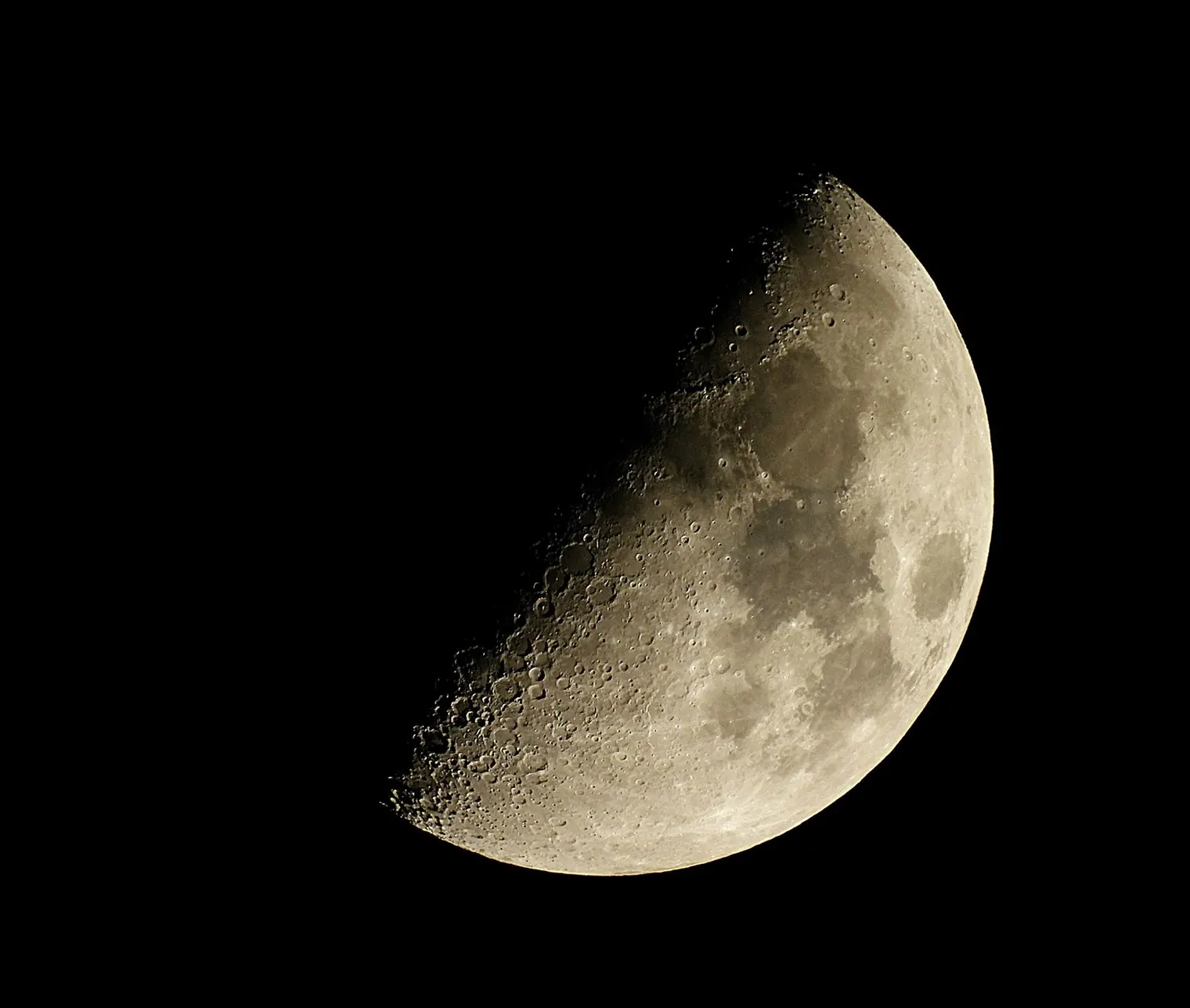
Why does the Moon change shape? Space apps and websites for kids’ big questions
Updated
NASA Space Place is a website of space articles, games and crafts for young readers. On iPhone and iPad, Space by Tinybop lets kids tilt the Earth and watch the seasons change, and Solar Walk is a 3D model of the solar system. NASA StarChild covers similar topics at two reading levels.
Space questions tend to arrive in waves, often at bedtime. Instead of a straight list of apps, this guide takes a handful of common questions and points to the apps and sites that cover each one.
“Why does the Moon change shape?”
Space by Tinybop is an interactive model of the solar system. Kids follow the Moon through its phases, compare planets and drop virtual meteorites on atmospheres. Solar Walk takes on the same topic in 3D, with short animations about Moon phases and tides.
On the web, NASA Space Place has a Moon phases explainer. Some families pair it with a few evenings of sketching the Moon from a window.
“Why is it cold in winter?”
Seasons come from the tilt of the Earth. In Space by Tinybop, children change that tilt themselves and see what happens to the seasons, which could appeal to a child who would rather move things than read about them.
“How big is Jupiter, really?”
Solar Walk switches between a classic orrery view and a true-scale view, where the distances between planets look very different. Space by Tinybop lets kids line up planets by size.
“What’s out there beyond the planets?”
NASA StarChild covers the solar system, the wider universe and space exploration, each at two reading levels. A child can read the simpler page, then move to the more detailed one on the same topic, with a glossary for new words. NASA describes it for young astronomers aged 5 to 13.
ESA Space for Kids, from the European Space Agency, follows a character called Paxi through planets, stars and Earth, with animations, games and things to make. Some of the Paxi animations are marked for ages 6 to 12.
“Can I be an astronaut?”
NASA Space Place has pages on missions, spacecraft and the people behind them, including a game about talking to spacecraft through giant antennas. It is written for elementary-age readers and has a Spanish version.
Star Walk Kids is built around cartoons: narrated astronomy facts, a moving solar system, a mobile observatory and short quizzes. Younger fans might enjoy the cartoon style, while an older child after more detail may find it light.
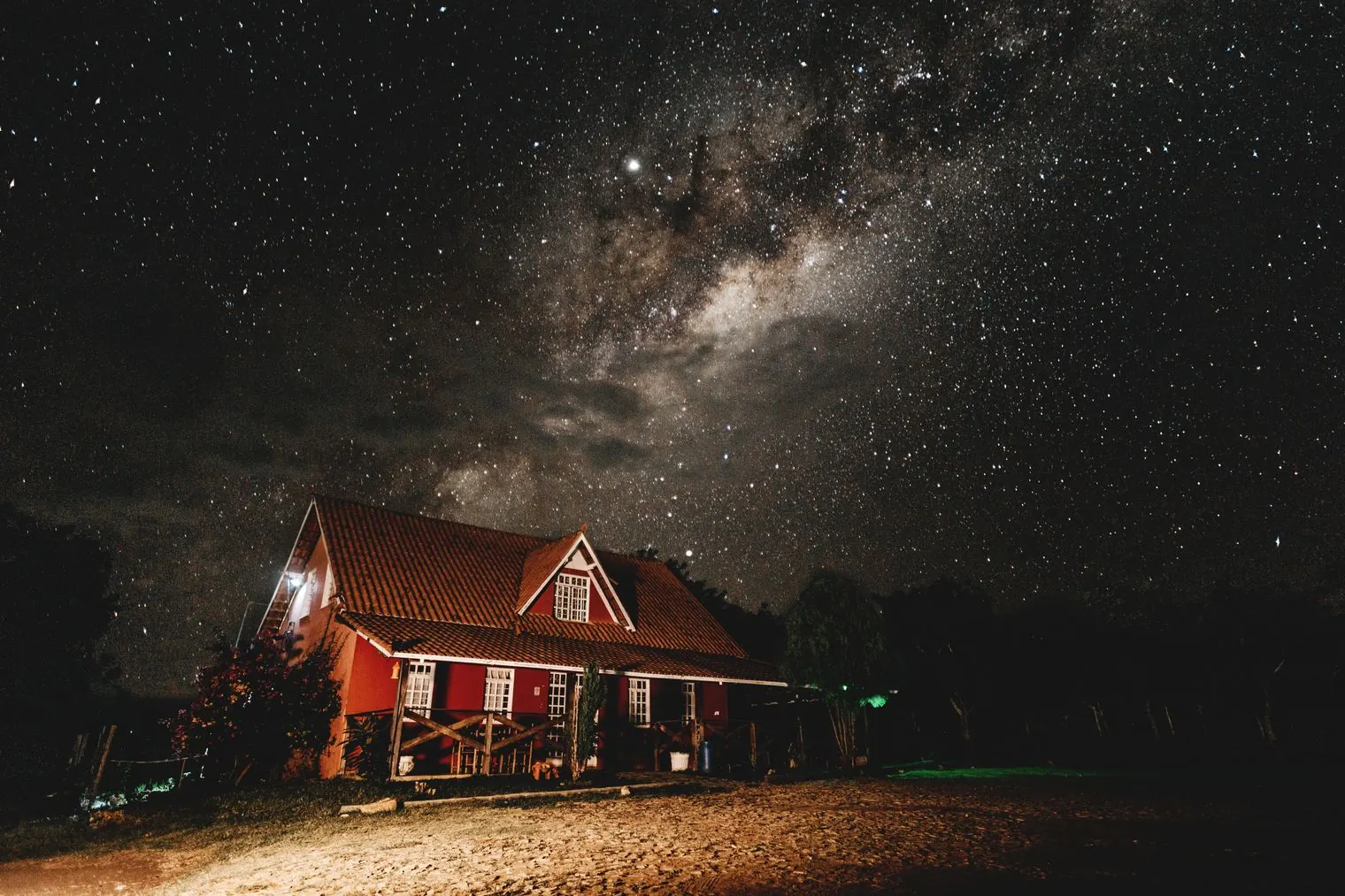
“What are those stars over the house?”
The night sky is visible from home. The National Park Service’s Junior Ranger booklets include a night-sky theme, with activities about constellations and patterns in the sky, that doesn’t depend on a park visit.
Which one fits which child?
| If your child... | One to try |
|---|---|
| likes cartoons and quick quizzes | Star Walk Kids |
| likes to tap, drag and experiment | Space by Tinybop |
| wants to see scale and 3D | Solar Walk |
| asks question after question | NASA Space Place |
| likes reading quietly | NASA StarChild |
For more science to do at home, see science experiments at home.