
Science
Science experiments at home with everyday materials
Updated
Several science museums and societies publish experiments built on everyday materials. ACS Adventures in Chemistry has colors that swirl through milk, the Royal Institution’s ExpeRimental films static electricity with a balloon, and Exploratorium Science Snacks traces a shadow through the day. Science Fun has a bean that grows in a jar over a week.
Many children arrive with the questions already. Why does ice melt? Why does my shadow follow me? The collections below come from museums, science societies and education sites that publish step-by-step instructions alongside an explanation of the science. Some demonstrations are more involved than others, and each publisher sets out its own materials and steps, so this page describes what each one covers and groups them by how long the activities seem to take.
Which activities are quick?
Colors that move in milk
ACS Adventures in Chemistry, from the American Chemical Society, has an activity in which drops of food coloring race across a plate of milk, followed by an explanation of what makes them move. The site has other short activities on its pages too.
Static electricity
The Royal Institution’s ExpeRimental videos show a parent and child rubbing a balloon to move small things without touching them, then asking whether the same thing works on other objects. The series also includes visual illusions and a cake experiment that changes one ingredient at a time.
Light and rainbows
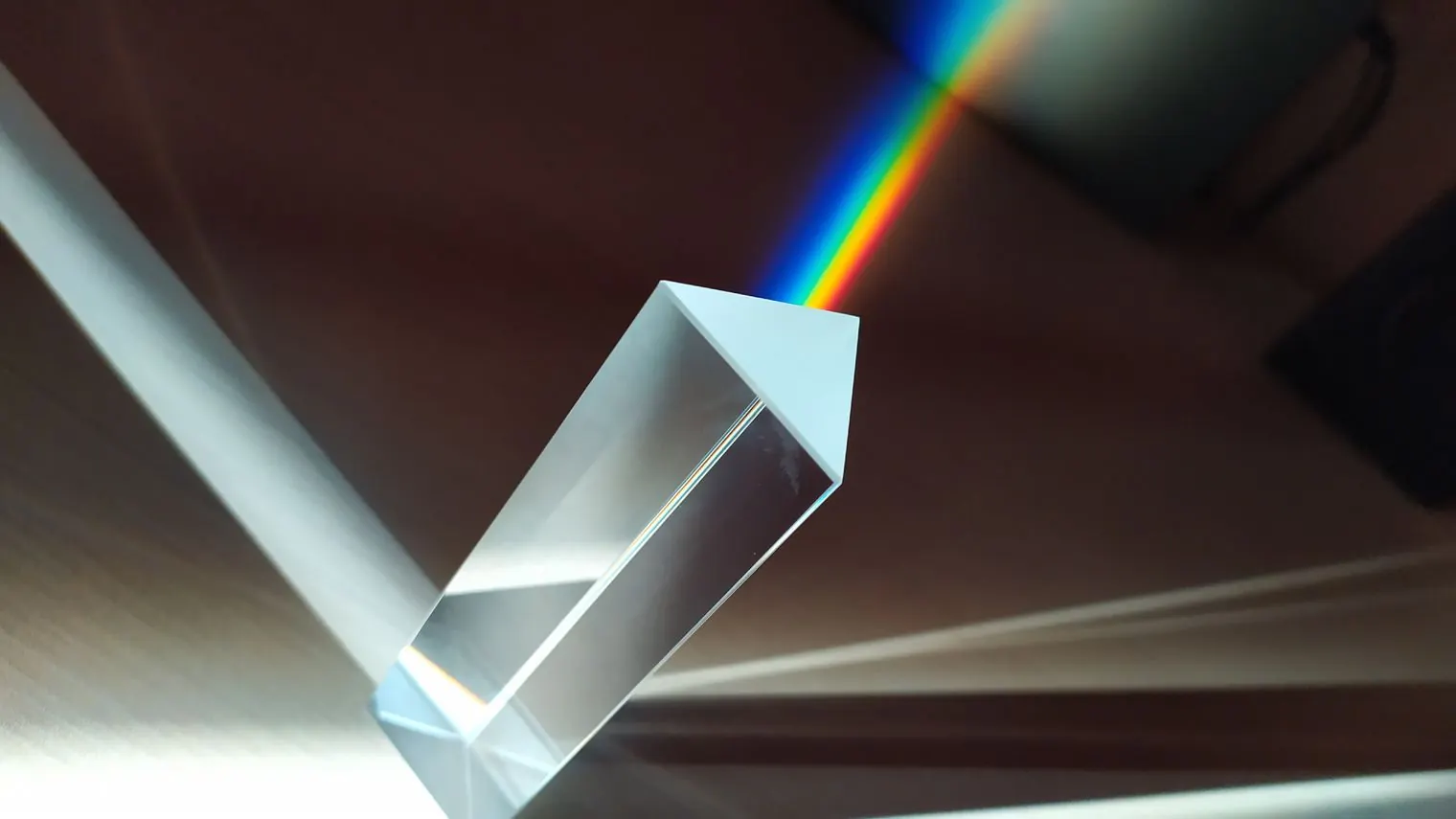
Science Sparks has light experiments that split white light into colors, plus shadow puppets. Separate preschool and early-years collections sit alongside them.
Which experiments run for a few days?
A bean in a jar
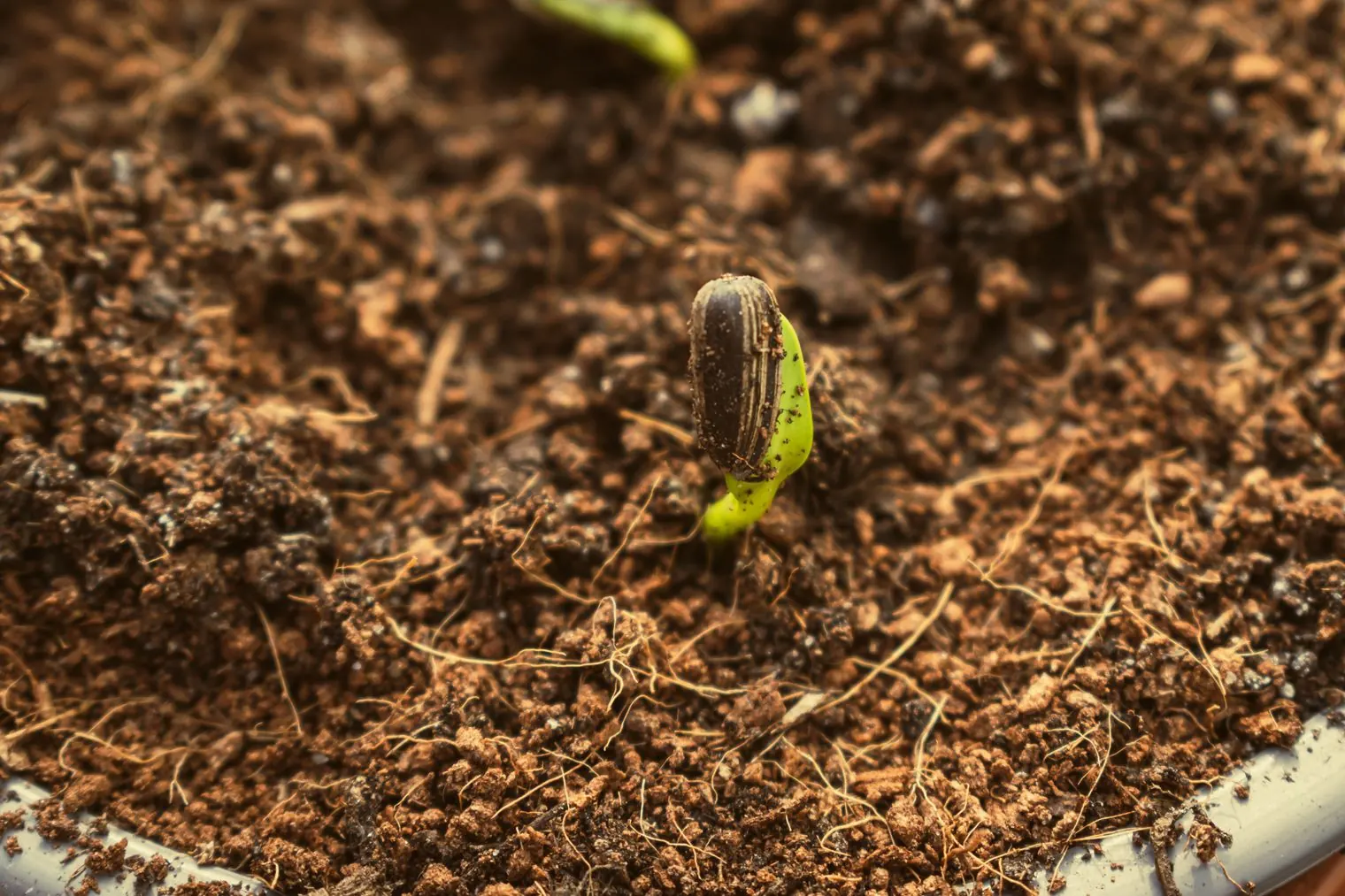
Science Fun has a bean experiment where roots and a shoot appear day by day against damp paper. The same site includes a homemade rain gauge and flowers that change color as they take up colored water.
A shadow from morning to evening
Exploratorium Science Snacks turns tracing a shadow over a sunny day into an investigation of how the Sun moves across the sky. The collection can be searched by subject and grade, and there is a Spanish edition.
Sun prints and nature journals
The Natural History Museum publishes a Sun print project, in which objects left in sunshine leave their outline behind, along with a cress caterpillar to grow on a windowsill and a guide to starting a nature journal.
What about building challenges?
Science Buddies has an elementary collection of builds that each test one idea, including a balloon-powered car, a paper rocket and a paper roller coaster for marbles. Each activity lists its materials and steps, and the site describes how a build can become a fair test. It may suit a school-age child who likes to tinker and compare results.
How can any experiment become more scientific?
- Ask for a prediction first: what will happen, and why?
- Change only one thing at a time, such as more water, a different paper or a sunnier window.
- Draw or photograph the result, then compare it with the prediction.
For a change from hands-on activities, Explorify has picture puzzles such as “odd one out” and zoomed-in close-ups that prompt children to explain what they see. For space questions, see space apps and websites for kids.