Nature
For kids who can’t stop talking about animals: places to look things up
Updated
National Geographic Kids covers a wide spread of animals, with profiles, videos and quizzes on its pages. For ocean fans, the Monterey Bay Aquarium courses and Coral Reef by Tinybop both center on sea life. Mammals by Tinybop and Ask A Biologist lean toward how animal bodies work.
Every family has an animal phase: sharks, then sloths, then whatever was in last night’s book. The sites and apps below are sorted by the shape of the interest, so a parent can jump straight to the current obsession.
If they love every animal
National Geographic Kids is a site for browsing: animal profiles, short Amazing Animals videos, quizzes and puzzles, with space, science and history sections nearby when the interest wanders. The videos might draw in a child who would rather watch than read.
San Diego Zoo Wildlife Explorers sorts animal and plant profiles into groups such as amphibians, reptiles, birds, mammals and arthropods. Alongside them sit stories about how keepers look after the animals and printable coloring pages. One project the profiles lend themselves to: pick two animals and make a comparison page with a sketch and one fact each.
If they love the ocean
The aquarium presents its online courses as short, structured units built around real marine animals. Otter Spotters, the course for the youngest, mixes movement, puppet making and drawing with an animal camera. Courses for older children cover sharks, ocean habitats and plastic pollution, and several are listed with Spanish versions.
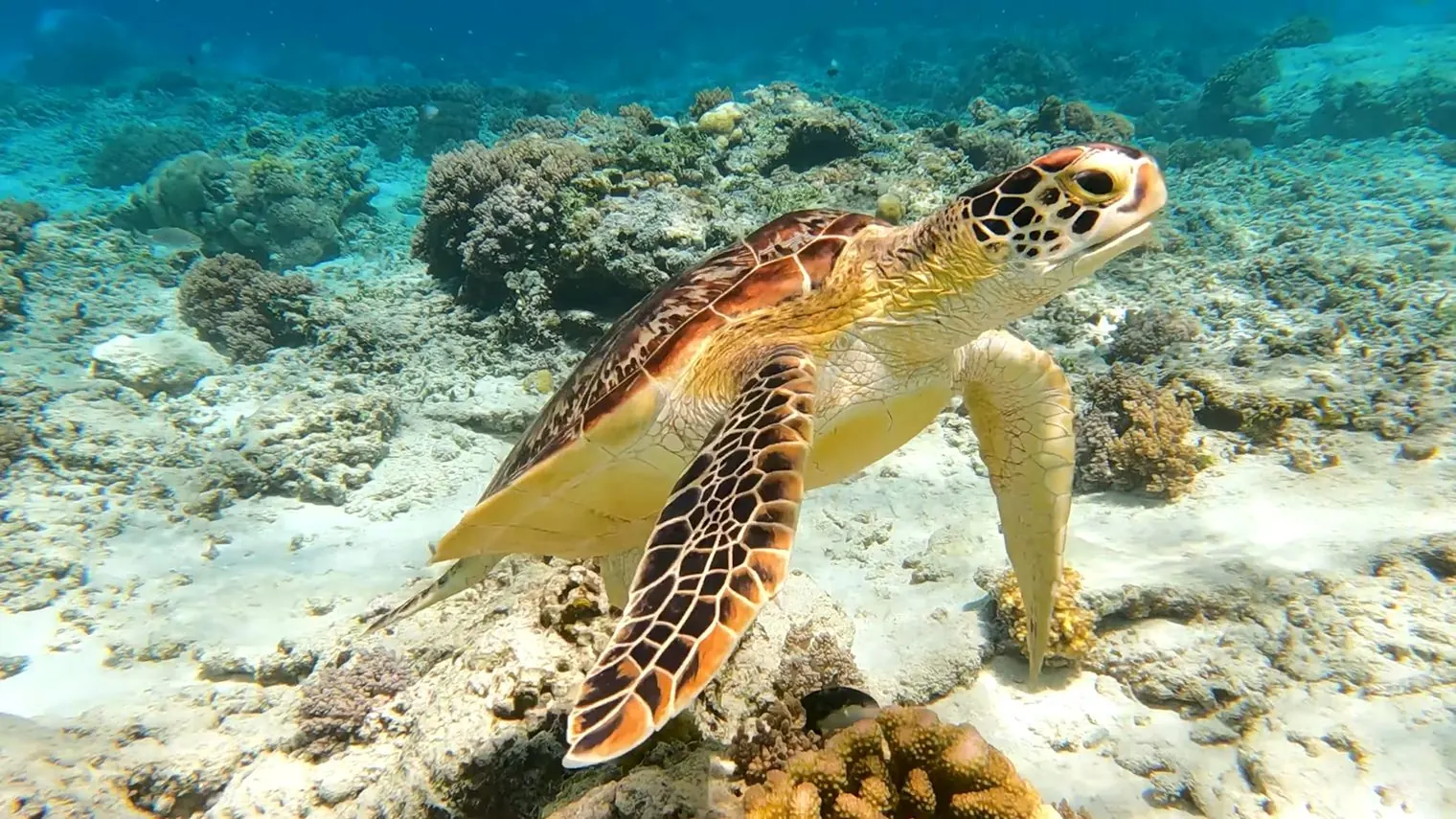
Coral Reef by Tinybop, for iPhone and iPad, is about how reef animals depend on one another. Children follow a food web from algae upward, hide an octopus, help a turtle get cleaned and watch food travel through a jellyfish.
If they want to know how bodies work
In Mammals by Tinybop, children feed and race a tiger, a bat, a kangaroo, an elephant and a sloth, then look inside at skeletons and body systems. It leans hands-on and visual; a child who wants more to read might lean toward the illustrated stories on the next site.
Ask A Biologist comes from Arizona State University. Its pages hold games about peppered moths and cell parts, a bone investigation, illustrated stories about biomes and conversations with working scientists.
If they love dinosaurs and bugs
OLogy, from the American Museum of Natural History, is organized by subject, from dinosaurs and insects to the brain and astronomy. Each subject mixes games, reading, hands-on ideas and video, and its nature-journal prompts point children outdoors to look for animals of their own.
Taking it outside
Some of this curiosity can carry on away from a screen. The Natural History Museum has a guide to birdwatching and starting a nature journal. The National Park Service Junior Ranger booklets include themes such as fossils and caves, and several look usable at home as well as in a park.